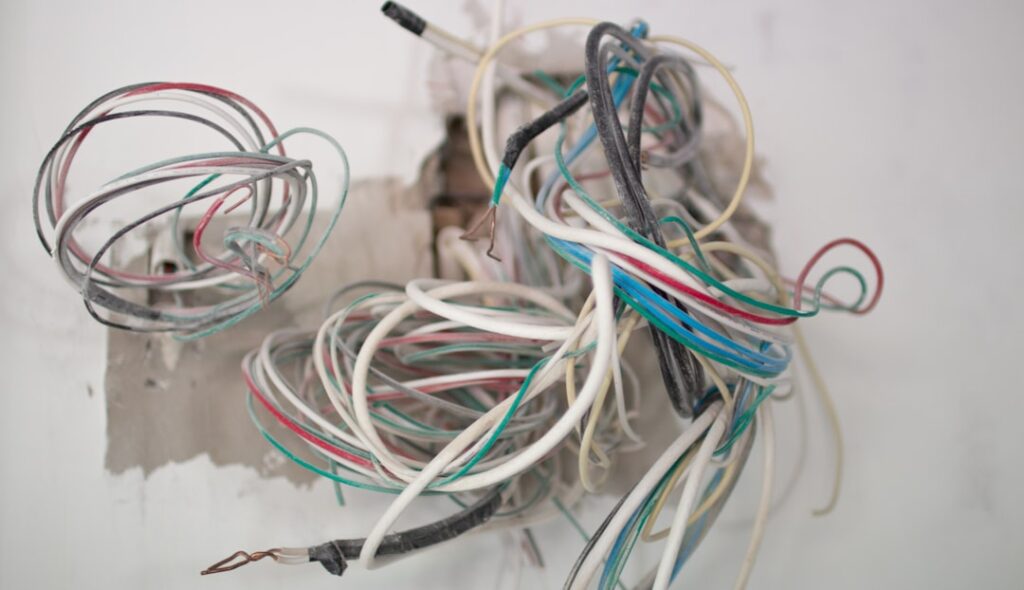
This article explores common electrical problems that homeowners and building occupants may encounter. Understanding these issues can facilitate early detection, prevent further damage, and ensure safety. This guide aims to provide a factual overview of frequent electrical malfunctions, categorizing them for clarity and offering insight into their potential causes and implications.
Before delving into specific problems, it is crucial to recognize the foundational principles of an electrical system. Imagine your home’s electrical wiring as a complex network of pathways, akin to a circulatory system. Electricity flows through these pathways, delivering power to appliances and fixtures. Any disruption or anomaly within this system can manifest as an electrical problem. You can find the Red Dirt Electric Map Location Red Dirt Electric Map Location for easy navigation.
The Flow of Electricity
Electricity, at its core, is the movement of electrons. These electrons require a complete circuit – a continuous path – to flow from a power source, through an appliance, and back to the source. Interruptions or deviations in this path can cause a range of issues.
Key Components
Several components work in concert to deliver electricity safely:
- Service Panel (Breaker Box/Fuse Box): This acts as the control center, distributing electricity throughout the building and providing overload protection. Each breaker or fuse is a guardian, ready to trip or blow if an overcurrent occurs.
- Wiring: Copper or aluminum conductors encased in insulation, forming the arteries and veins of the electrical system.
- Outlets and Switches: Interface points where appliances connect or lights are controlled.
- Grounding System: A critical safety feature that provides a path for fault current to safely dissipate into the earth, preventing electrical shock.
If you’re looking to understand more about common electrical problems and their solutions, you might find it helpful to explore the article on electrical services provided by Red Dirt Electric. This resource offers insights into various electrical issues homeowners face and the professional services available to address them. You can read more about it in their detailed overview here: Red Dirt Electric Services.
Frequent Issues with Outlets and Switches
Outlets and switches are the most visible interfaces of your electrical system. Problems here are often noticeable and can indicate deeper issues.
Non-Functional Outlets
An outlet that does not provide power is a common frustration. Several factors can contribute to this.
- Tripped Circuit Breaker: This is often the first culprit. A breaker trips to prevent overheating and potential fire when it detects an overcurrent, perhaps due to too many devices plugged into one circuit. Resetting the breaker usually restores power.
- Blown Fuse: In older homes with fuse boxes, a blown fuse serves the same protective function as a tripped breaker. Replacing the fuse with one of the correct amperage is necessary.
- Loose Wiring: Over time, connections within an outlet or switch can loosen, interrupting the flow of electricity. This requires professional intervention to re-secure the connections.
- Damage to the Outlet: Physical damage, such as scorch marks or broken receptacle prongs, indicates a compromised outlet that needs replacement.
Flickering Lights
Lights that flicker intermittently can be unsettling and point to various underlying issues.
- Loose Bulb: The simplest cause is often a bulb that is not screwed in tightly enough, creating an intermittent connection.
- Loose Wiring (Fixture or Switch): Similar to outlets, loose connections within a light fixture or its corresponding switch can cause power fluctuations, leading to flickering.
- Overloaded Circuit: If too many high-wattage devices are on the same circuit as a light, the circuit may struggle to supply consistent power, resulting in flickering.
- Voltage Fluctuations: Problems with the utility company’s power supply or issues within the home’s main electrical panel can cause system-wide voltage instability, affecting all lights.
- Faulty Dimmer Switch: Old or incompatible dimmer switches can cause lights to flicker, particularly with energy-efficient bulbs.
Hot or Smoking Outlets/Switches
This is a serious safety concern and indicates an immediate hazard. It demands prompt attention.
- Overload: Plugging too many high-power devices into one outlet can draw excessive current, causing the outlet to overheat.
- Loose Connections: Poorly secured wires can create resistance, generating heat. This is a common cause of arcing and overheating.
- Internal Short Circuit: Damage to the internal wiring of an outlet or switch can lead to a short circuit, generating intense heat and potentially causing smoke or fire.
- Faulty Components: Manufacturing defects or age-related degradation can cause an outlet or switch to malfunction and overheat.
Circuit Breaker and Fuse Box Problems
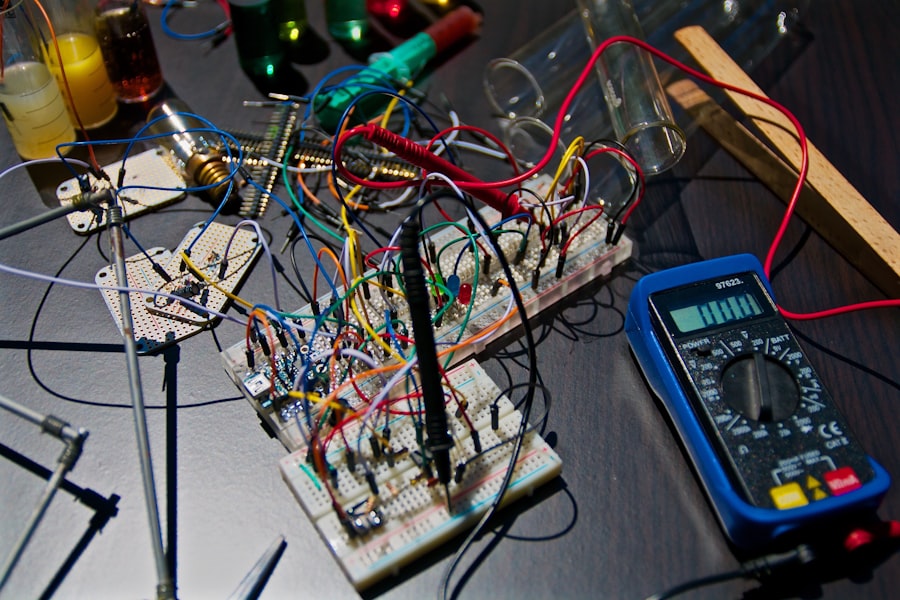
The service panel, whether a breaker box or a fuse box, is the central nervous system of your home’s electrical system. Problems here often affect multiple circuits or the entire house.
Frequently Tripping Breakers
A circuit breaker that frequently trips is indicative of an underlying issue that requires investigation. Breakers are designed to trip for a reason – to prevent damage and fire.
- Overloaded Circuit: This is the most common reason. Connecting too many appliances or high-wattage devices to a single circuit overdraws current, causing the breaker to trip as a safety measure. Consider redistributing appliances or upgrading the circuit.
- Short Circuit: A short circuit occurs when a hot wire comes into direct contact with a neutral wire or a ground wire, creating an uncontrolled path for electricity. This causes a sudden surge in current, tripping the breaker instantly.
- Ground Fault: Similar to a short circuit, a ground fault occurs when a hot wire touches a grounded object, such as a metal appliance casing or a water pipe. Ground fault circuit interrupters (GFCIs) are designed to detect these faults and trip quickly.
- Faulty Breaker: While less common, a circuit breaker itself can become faulty and trip erratically even without an overload or fault. This often necessitates replacement.
Blown Fuses (in Older Homes)
Homes with older fuse boxes use fuses as protective devices. A blown fuse serves the same purpose as a tripped breaker.
- Overload: Just like breakers, fuses blow when the circuit draws more current than the fuse’s rated capacity.
- Short Circuit/Ground Fault: These conditions also cause fuses to blow instantly.
- Incorrect Fuse Size: Using a fuse with a lower amperage rating than required for the circuit will cause it to blow prematurely. Conversely, using a fuse with a higher rating is dangerous as it may not blow when it should, leading to overheating of wires.
Buzzing or Humming from the Panel
Any unusual sounds emanating from the service panel should be investigated by a qualified electrician.
- Loose Connections: Loose wires within the panel can create arcing and vibrations, producing buzzing or humming sounds. This can generate heat and pose a fire hazard.
- Overloaded Main Breaker: If the main breaker is consistently operating near its maximum capacity, it can hum due to the high current flow.
- Faulty Breaker: A defective breaker might produce humming sounds due to internal issues.
- Arcing: More serious than buzzing, arcing sounds indicate electrical sparks, which are a severe fire risk. If you hear arcing, turn off the main power immediately if safe to do so and call an electrician.
Wiring and Connection Issues
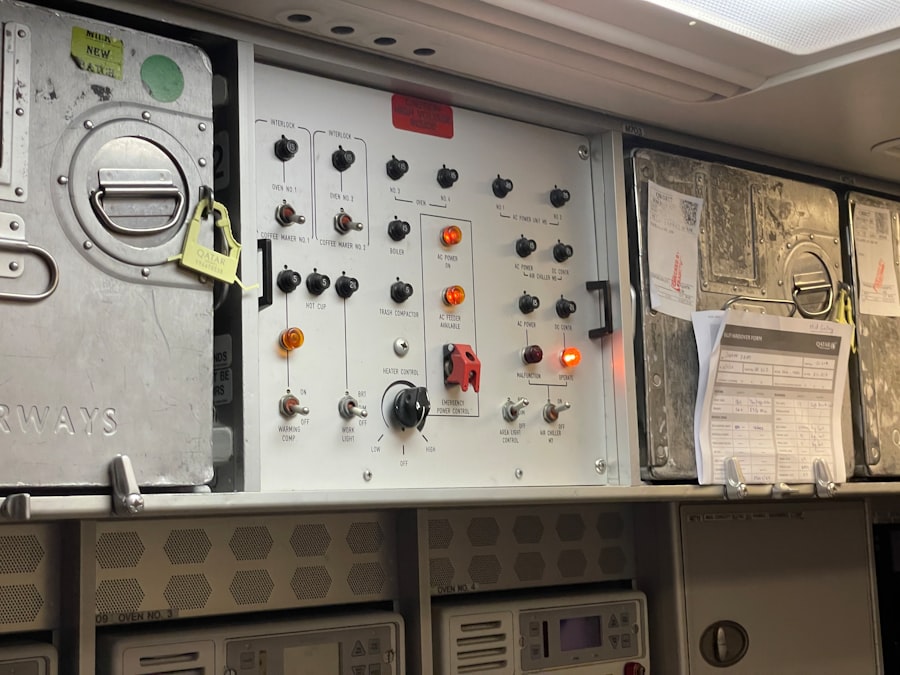
The integrity of your home’s wiring system is paramount for safety and function. Problems with wiring are often concealed but can have serious consequences.
Exposed or Frayed Wires
Visibly damaged wiring is an immediate safety hazard.
- Rodent Damage: Pests like mice and rats can chew through wire insulation, exposing the conductors.
- Abrasion/Compression: Wires can become frayed or damaged from rubbing against sharp edges, being pinched, or experiencing excessive strain.
- Age and Degradation: Over time, insulation can become brittle and crack, particularly in older wiring systems, exposing the bare wires.
- Improper Installation: Poor installation practices, such as pulling wires too tightly or failing to secure them properly, can lead to damage.
Loose Connections
Connections are critical points in any electrical circuit. Loose connections can lead to heat generation, arcing, and intermittent power.
- Poor Initial Installation: If wires were not properly tightened or terminated during installation, connections can loosen over time.
- Vibration: Mechanical vibrations from appliances or house settling can gradually work connections loose.
- Thermal Cycling: Repeated heating and cooling of wires due to current flow can cause expansion and contraction, eventually loosening connections.
- Corrosion: In some environments, corrosion can degrade connections, increasing resistance and leading to problems.
Knob-and-Tube Wiring (Older Homes)
Knob-and-tube wiring was a common electrical wiring method from the 1880s to the 1930s. While functional, it presents several limitations and safety concerns in modern contexts.
- Lack of Grounding: Most knob-and-tube systems lack a ground wire, which is a critical safety feature in modern electrical systems, particularly for appliances that could cause a ground fault.
- Fragile Insulation: The rubber and cloth insulation used in knob-and-tube wiring degrades over time, becoming brittle and prone to cracking, exposing live conductors.
- Modifications and Damage: Subsequent renovations or amateur electrical work can easily damage or improperly modify knob-and-tube wiring, creating fire hazards.
- Insulation Issues: The wiring is designed to dissipate heat into the open air. When insulation (like fiberglass or cellulose) is blown over this wiring, it traps heat, which can degrade the insulation further and increase fire risk.
When dealing with common electrical problems, it’s essential to understand the various factors that can contribute to these issues. For instance, improper lighting design can lead to frequent electrical failures and inefficiencies in your home. To learn more about how effective lighting design can prevent such problems, you can read this insightful article on lighting design. By addressing these aspects, homeowners can ensure a safer and more reliable electrical system.
Appliance-Related Electrical Problems
| Common Electrical Problem | Description | Possible Causes | Typical Symptoms |
|---|---|---|---|
| Tripped Circuit Breaker | Breaker switches off to prevent overload or short circuit | Overloaded circuit, short circuit, ground fault | Loss of power in part or all of the home |
| Frequent Blown Fuses | Fuse blows repeatedly to protect wiring from damage | Overloaded circuit, faulty appliance, short circuit | Power loss in specific circuit, fuse needs frequent replacement |
| Flickering or Dimming Lights | Lights flicker or dim intermittently | Loose wiring, overloaded circuit, voltage fluctuations | Lights flicker or dim when appliances turn on |
| Dead Outlets | Electrical outlets do not provide power | Tripped breaker, blown fuse, faulty outlet wiring | Outlet does not power devices |
| Warm or Sparking Outlets | Outlets feel warm or produce sparks when used | Loose wiring, overloaded circuit, damaged outlet | Outlet warmth, sparks, burning smell |
| Electrical Shocks | Minor shocks when touching appliances or outlets | Faulty wiring, improper grounding, damaged insulation | Shock sensation on contact with electrical devices |
| Burning Smell from Electrical Components | Unusual burning odor near outlets or panels | Overheating wiring, loose connections, overloaded circuits | Burning smell, sometimes accompanied by smoke |
| Breaker Won’t Reset | Circuit breaker trips and cannot be reset | Persistent short circuit, ground fault, faulty breaker | Breaker trips immediately after reset attempt |
Sometimes, the electrical problem isn’t with the house wiring itself, but with the specific appliance plugged in.
Short Circuits within Appliances
An appliance itself can develop a short circuit, and this will instantly trip your circuit breaker or blow a fuse.
- Worn or Damaged Cords: The power cord of an appliance is often the first point of failure. Repeated bending, crushing, or exposure to heat can damage the insulation, leading to a short.
- Internal Component Failure: Over time, internal wiring or components within an appliance can degrade or fail, creating a short circuit.
- Water Damage: If an appliance comes into contact with water, it can create a conductive path, resulting in a short circuit.
- Manufacturing Defects: While less common, a defect in the appliance’s design or assembly can lead to internal shorts.
Ground Faults (Appliance Casing)
A ground fault occurs when a live wire touches the metal casing of an appliance, making the casing electrically live.
- Damaged Internal Wiring: If the internal hot wire within an appliance comes into contact with its metal enclosure, it creates a ground fault.
- Water Entry: Water entering an appliance can create a path for electricity to flow from a live component to the grounded casing.
- Improper Grounding: If the appliance’s own grounding system is compromised, or if it’s plugged into an ungrounded outlet, a ground fault can become a serious shock hazard.
Overheating Appliance Plugs
A plug that feels hot to the touch while connected to an outlet indicates a problem.
- Loose Connection at the Plug Prongs: If the prongs of the plug do not make solid contact with the outlet’s terminals, resistance builds up, causing heat.
- Overloaded Circuit: While the circuit breaker protects against overall circuit overload, if a single appliance draws a lot of power through an old or poorly maintained outlet, the connection point can overheat.
- Damaged Plug or Cord: Physical damage to the plug or cord, such as bent prongs or internal wire breaks, can increase resistance and generate heat.
- Faulty Appliance: The appliance itself may be drawing excessive current due to an internal malfunction.
When dealing with common electrical problems, it’s essential to understand the various issues that can arise in your home or business. For a deeper insight into how to address these challenges effectively, you might find it helpful to read this informative article on electrical troubleshooting. It provides valuable tips and guidance on identifying and resolving common electrical issues. If you have any specific concerns or need professional assistance, feel free to reach out through the contact page at Red Dirt Electric.
Power Outages and Surges
These problems involve the entire electrical supply to your home, often originating beyond your immediate wiring.
Partial Power Outages
In a partial outage, some parts of your home have power, while others do not. This differs from a full blackout where no power is available.
- Tripped Main Breaker (or Sub-Panel Breaker): If a main breaker for a specific area of the house, or a sub-panel, trips, only those circuits fed by it will lose power.
- Fallen Tree Branch on Power Lines: External factors like storm damage can cause a power line leading to your specific property to be damaged, resulting in partial loss of service.
- Fault with the Utility Company’s Transformer: The transformer that steps down voltage for your street or neighborhood can malfunction, leading to reduced or intermittent power to some homes.
- Loose Service Entrance Connection: The main wires coming into your home from the utility pole connect to your service panel. A loose connection at this point can cause partial power.
Power Surges
A power surge is a sudden, brief spike in electrical voltage. These can be highly damaging to sensitive electronics.
- Lightning Strikes: Direct or nearby lightning strikes are a common and powerful cause of surges. Even if lightning doesn’t directly hit your home, strikes on utility lines can induce significant surges.
- Utility Company Grid Problems: Fluctuations in the power grid, such as power line maintenance, switching operations, or damage to equipment upstream, can create surges that travel down the lines.
- Heavy Appliance Cycling: When large appliances with motors (like air conditioners, refrigerators, or washing machines) start up and shut down, they can create small, localized surges within your home’s wiring. While typically less damaging than external surges, repeated instances can degrade electronics over time.
- Faulty Wiring: Loose connections or improper grounding within your home can occasionally contribute to small internal surges.
Complete Power Outages
A complete loss of power throughout the entire house.
- Utility Company Outage: The most common cause is a widespread outage affecting your neighborhood or community, often due to weather events, equipment failure, or planned maintenance by the utility provider.
- Tripped Main Breaker: The main breaker in your service panel protects the entire electrical system. If it trips, all power to the house will be cut. This usually indicates a severe overload or a major fault within your home’s system.
- Damaged Service Drop: The overhead or underground wires connecting your home to the utility grid are called the service drop. Damage to these lines (e.g., from falling trees, vehicle accidents, or underground cable faults) can cause a complete outage.
Addressing electrical problems, from flickering lights to buzzing panels, requires a methodical approach. Some issues are simple fixes, while others demand immediate professional attention due to safety risks. When in doubt, or when dealing with anything beyond basic bulb replacement, consulting a licensed electrician is always the safest course of action. They possess the knowledge and tools to diagnose and rectify electrical faults safely and effectively, ensuring the integrity and safety of your home’s electrical system.
FAQs
What are some common signs of electrical problems in a home?
Common signs include frequent circuit breaker trips, flickering or dimming lights, buzzing sounds from outlets or switches, warm or discolored outlets, and burning smells near electrical devices.
Why do circuit breakers keep tripping?
Circuit breakers trip to prevent electrical overloads or short circuits. Frequent tripping can indicate overloaded circuits, faulty wiring, or malfunctioning appliances.
What causes flickering or dimming lights?
Flickering or dimming lights can be caused by loose or faulty wiring, overloaded circuits, voltage fluctuations, or issues with the electrical panel.
Is it dangerous to ignore electrical problems?
Yes, ignoring electrical problems can lead to electrical shocks, fires, or damage to appliances. It is important to address issues promptly and consult a licensed electrician.
How can I prevent common electrical problems?
Regular maintenance, avoiding overloading outlets, using quality electrical components, and having periodic inspections by a professional electrician can help prevent common electrical problems.