
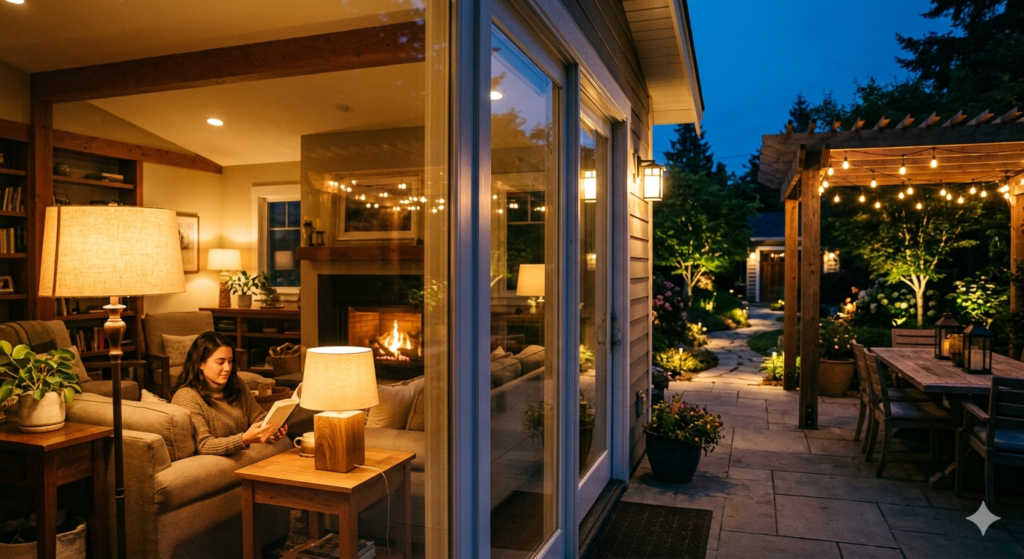
Lighting plays a major role in how a home looks, feels, and functions. Beyond aesthetics, proper lighting also improves safety, security, and overall comfort. Many homeowners focus heavily on indoor lighting while overlooking outdoor lighting, but the best results come from a balanced approach that considers both.
Thoughtfully designed lighting can highlight architectural features, make everyday tasks easier, and protect your property after dark. Understanding the differences between indoor and outdoor lighting and how they work together can help homeowners create spaces that are both beautiful and practical.
In this guide, we’ll explore the key differences between indoor and outdoor lighting, the benefits of each, and how homeowners can design a lighting plan that improves both safety and style.
Why Lighting Design Matters in Modern Homes
Lighting is more than simply installing bulbs and fixtures. It shapes how a space is experienced. Proper lighting design can make rooms feel larger, improve visibility, and create welcoming environments for guests and family members.
Poor lighting, on the other hand, can lead to eye strain, dark areas in your home, and even safety hazards such as tripping risks.
Professionally designed lighting systems help homeowners:
- Improve visibility for daily activities
- Highlight architectural details and décor
- Increase property security
- Reduce energy consumption with efficient fixtures
- Improve the overall atmosphere of living spaces
If you’re planning lighting improvements or new installations, working with experienced electricians can ensure your system is safe and properly installed. Homeowners in Northern California can explore professional electrical services through Red Dirt Electric’s lighting design services.
Understanding Indoor Lighting
Indoor lighting is designed primarily to enhance visibility, comfort, and aesthetics in the home. Each room has unique lighting requirements depending on how the space is used.
A well-designed indoor lighting plan typically includes three main lighting types.
Ambient Lighting
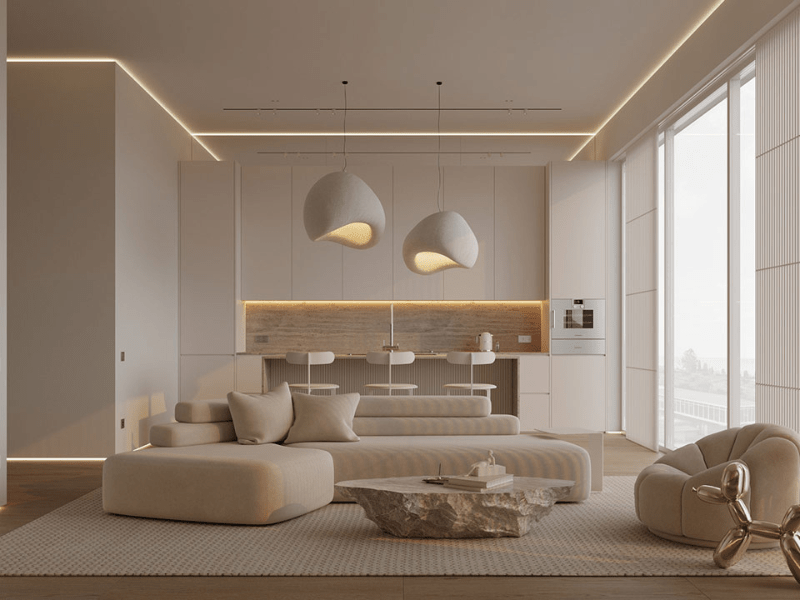
Ambient lighting is the primary source of light in a room. It provides overall illumination and ensures the entire space is evenly lit.
Examples include:
- Ceiling fixtures
- Recessed lighting
- Chandeliers
- LED panel lights
Ambient lighting sets the room’s baseline brightness and helps prevent dark corners.
Task Lighting
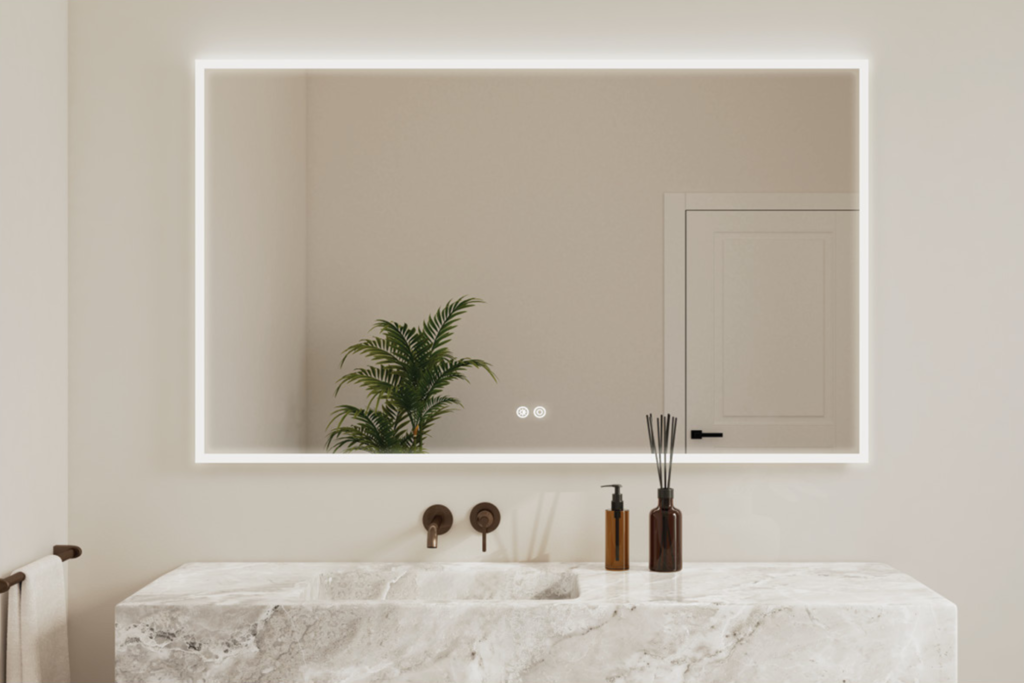
Task lighting focuses on specific areas where activities require more visibility.
Common examples include:
- Under-cabinet kitchen lighting
- Desk lamps for home offices
- Vanity lights in bathrooms
- Reading lamps beside beds
These lights reduce eye strain and make daily tasks easier.
Accent Lighting
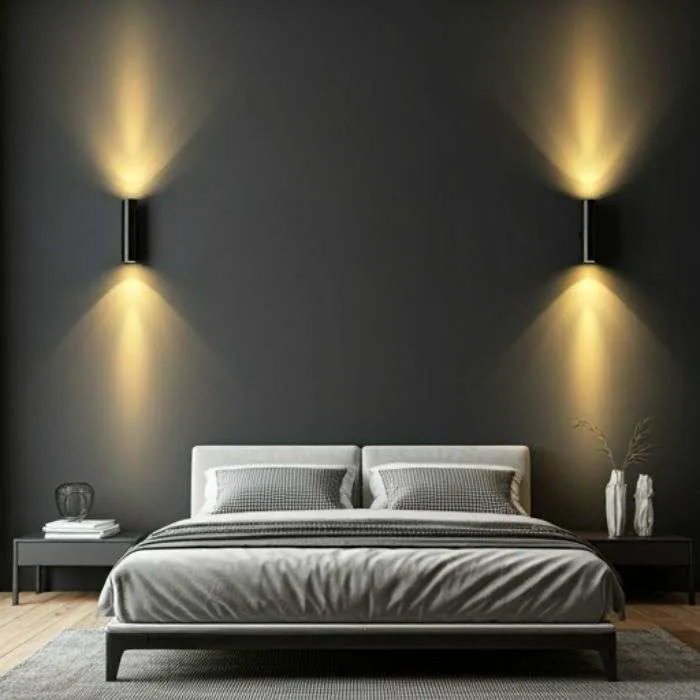
Accent lighting is used to highlight features such as artwork, architectural details, or decorative elements.
Examples include:
- Wall sconces
- Picture lights
- LED strip lighting
- Display cabinet lighting
Accent lighting adds depth and character to a space.
For more information about effective indoor lighting techniques, the U.S. Department of Energy provides helpful resources on home lighting efficiency.
Understanding Outdoor Lighting
Outdoor lighting serves different purposes compared to indoor lighting. It focuses heavily on safety, visibility, and security around your property.
Well-placed outdoor lighting can prevent accidents, deter intruders, and create inviting outdoor spaces.
Security Lighting
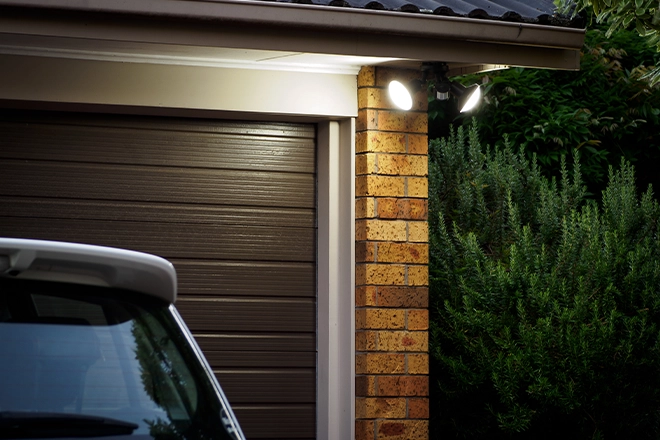
Security lighting helps protect your property by illuminating dark areas around entrances, garages, and walkways.
Motion-activated lights are especially useful because they activate when movement is detected, helping homeowners quickly notice activity around their property.
Well-placed exterior lighting can improve nighttime visibility and discourage unwanted activity around the home. Proper lighting also helps residents and guests move safely around outdoor areas after dark.
Security lighting is commonly installed near:
- Driveways
- Front doors
- Side entrances
- Backyard access points
- Garages
Pathway and Landscape Lighting
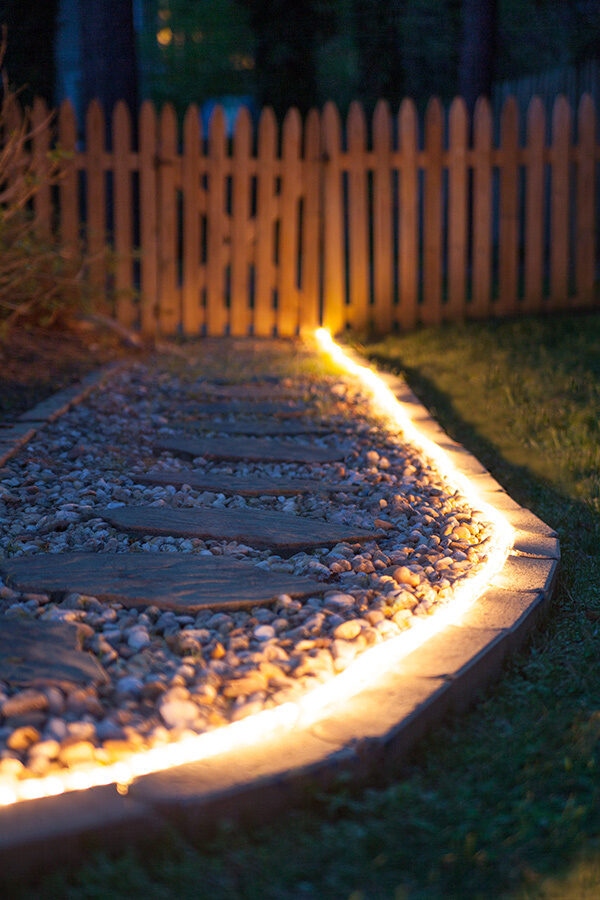
Landscape lighting enhances the beauty of your home while improving nighttime visibility.
Popular options include:
- Path lights along walkways
- Garden accent lights
- Tree uplighting
- Deck and patio lighting
These lights create a warm and inviting outdoor atmosphere while helping prevent trips and falls.
Functional Outdoor Lighting
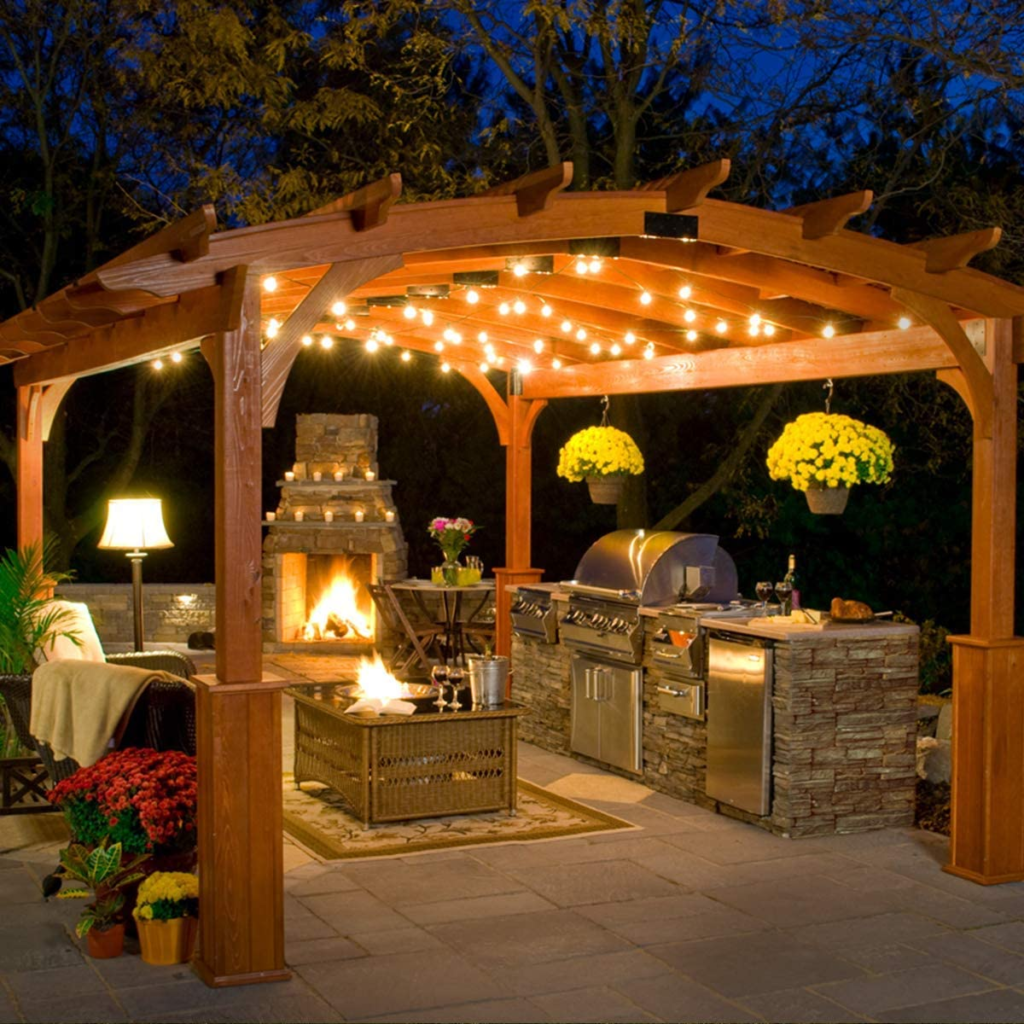
Some outdoor lighting is designed for specific tasks such as cooking, entertaining, or working outside.
Examples include:
- Lighting for outdoor kitchens
- Garage work areas
- Patio dining spaces
- Backyard workshops or sheds
If you’re planning to add power or lighting to outdoor spaces, a licensed electrician can ensure everything is installed safely and meets electrical codes.
Homeowners looking to power backyard shops or outbuildings can learn more about professional electrical installations here.
Key Differences Between Indoor and Outdoor Lighting
While both types of lighting serve important purposes, they are designed differently to handle their specific environments.
| Feature | Indoor Lighting | Outdoor Lighting |
| Purpose | Comfort, décor, visibility | Safety, security, and landscape enhancement |
| Fixture durability | Standard fixtures | Weather-resistant materials |
| Brightness | Softer, controlled lighting | Often brighter for visibility |
| Placement | Ceilings, walls, furniture | Pathways, entry points, landscaping |
| Environmental resistance | Minimal exposure | Designed for rain, dust, and temperature changes |
Outdoor lighting fixtures must be designed to withstand moisture, wind, and temperature changes. Because outdoor electrical components are exposed to the elements, they are built with weather-resistant materials and protective housing to ensure safe and reliable operation.
Energy Efficiency in Modern Lighting
Many homeowners today are upgrading to energy-efficient lighting systems to reduce electricity costs and environmental impact.
LED lighting has become the most popular option because it offers several advantages:
- Uses up to 75% less energy than traditional bulbs
- Lasts significantly longer
- Produces less heat
- Offers a wide range of brightness and color temperatures
Switching to LED lighting for both indoor and outdoor spaces can significantly reduce monthly energy bills.
Smart Lighting for Indoor and Outdoor Spaces
Smart lighting technology allows homeowners to control lights remotely using smartphones or voice assistants.
Features may include:
- Scheduled lighting
- Motion detection
- Remote control through mobile apps
- Integration with smart home systems
Smart lighting can also improve security by making it appear that someone is home even when the house is empty.
When to Call a Professional Electrician
While replacing light bulbs or installing simple fixtures may be manageable for some homeowners, more complex lighting installations often require professional expertise.
A licensed electrician should be consulted when:
- Installing new outdoor lighting systems for pathways, driveways, or entry points
- Adding landscape lighting to highlight gardens, trees, or architectural features
- Installing recessed lighting or upgrading ceiling light fixtures indoors
- Wiring lighting for a new patio, deck, or outdoor living space
- Troubleshooting flickering lights or uneven lighting in your home
Professional electricians ensure that lighting installations comply with electrical codes and are completed safely. Proper installation also helps prevent electrical hazards and ensures that lighting systems operate efficiently for years to come.
If you need professional assistance with a lighting project or upgrade, you can contact Red Dirt Electric to discuss your lighting needs or request service.
Creating a Balanced Lighting Plan for Your Home
The best lighting designs combine indoor comfort with outdoor safety.
A balanced lighting plan may include:
- Warm ambient lighting indoors for comfort
- Task lighting in kitchens, offices, and bathrooms
- Accent lighting for décor
- Pathway lighting for outdoor safety
- Security lighting around entrances
- Landscape lighting to highlight outdoor features
Working with a professional electrician ensures lighting is installed and positioned correctly for optimal results.
FAQs About Indoor and Outdoor Lighting
What is the main difference between indoor and outdoor lighting?
Indoor lighting focuses on comfort, décor, and daily activities inside the home. Outdoor lighting is designed to improve safety, visibility, and security around the property.
Are outdoor lights different from indoor lights?
Yes. Outdoor lights are designed to withstand weather conditions, including rain, wind, and temperature changes. Indoor lighting is not designed for these environmental conditions.
What type of lighting is best for home security?
Motion-activated LED floodlights are one of the most effective security lighting options. They illuminate areas instantly when movement is detected, which can deter intruders.
How many outdoor lights should a house have?
The number depends on the property’s size. Most homes benefit from lighting in key areas such as entry doors, pathways, driveways, and backyard spaces.
Is LED lighting good for both indoor and outdoor use?
Yes. LED lighting is highly versatile and energy efficient, making it ideal for both indoor and outdoor applications.
Creating the Right Lighting for Your Home
Lighting has a powerful influence on both the safety and appearance of your home. Indoor lighting improves comfort and functionality, while outdoor lighting protects your property and enhances curb appeal.
By combining both elements, homeowners can create a well-lit environment that is welcoming, efficient, and secure.
If you are considering new lighting installations or upgrading your current lighting setup, professional guidance can help ensure everything is installed safely and functions efficiently.
A thoughtfully designed lighting system can transform your home while keeping your family safe both inside and outside.