
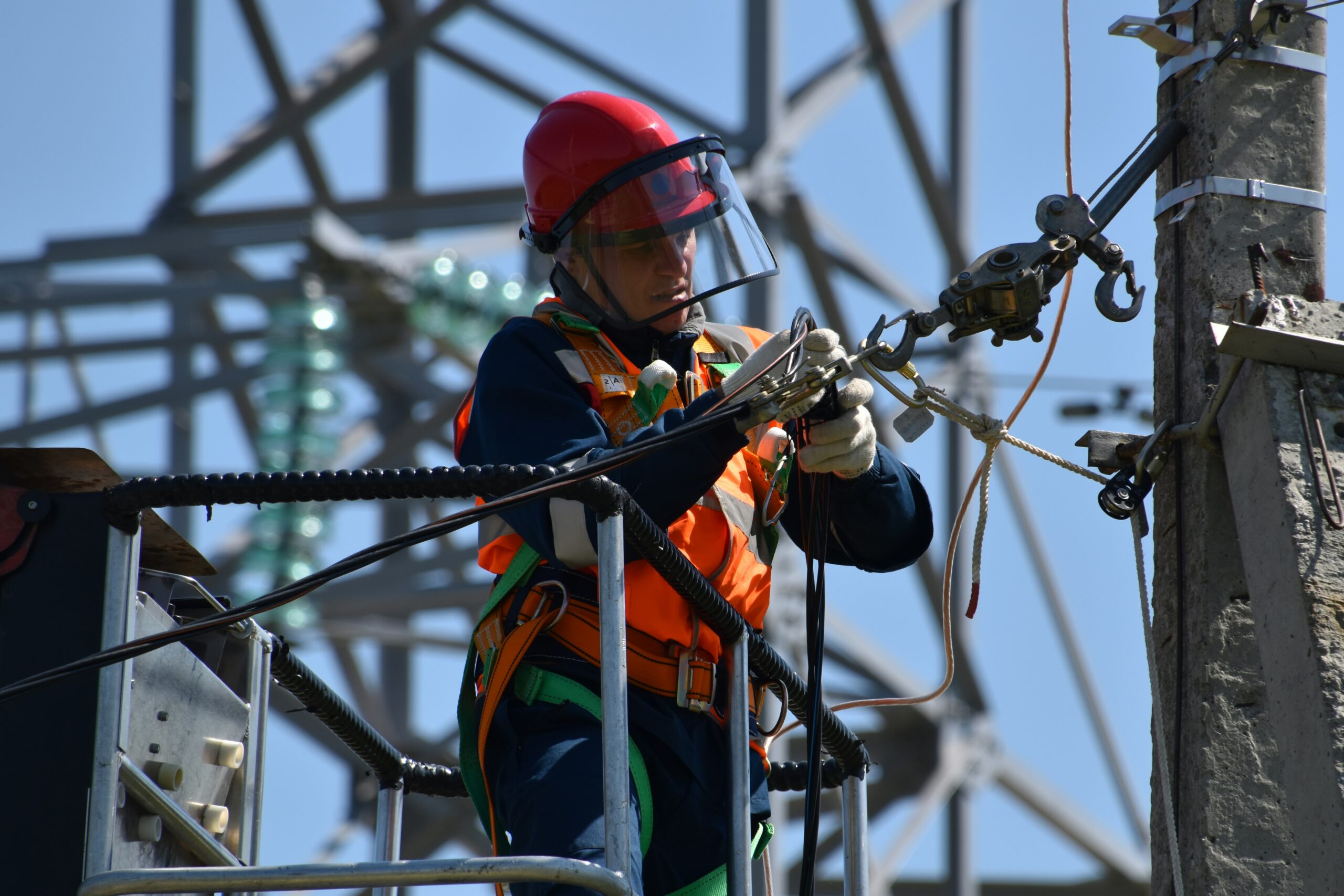
Navigating the complexities of home ownership in Chico involves more than just aesthetics and curb appeal; it demands a proactive approach to safety, particularly when it comes to your electrical system. As 2026 approaches, you’ll find that electrical safety isn’t a static concept but an evolving field, driven by technological advancements, updated regulations, and a growing understanding of potential hazards. Ignoring these trends isn’t a viable option if you intend to maintain a safe and functional home, safeguard your investments, and ensure the well-being of your household. This article aims to provide you with a comprehensive overview of the top electrical safety trends you cannot afford to overlook in your Chico home as we move into 2026.
Your Chico home is likely already engaging with smart technology in some capacity, whether it’s a smart thermostat, intelligent lighting, or security cameras. As you integrate more of these devices, you’re also placing increasing demands on your electrical system. This trend isn’t slowing down; in fact, it’s accelerating, pushing the boundaries of what your home’s existing wiring can handle.
Understanding the Load: Assessing Your Home’s Capacity
Before you continue adding smart devices, it’s crucial to understand the cumulative electrical load they impose. Each connected device, from your smart refrigerator to your voice-activated assistants, draws power. If your electrical panel and wiring are not adequately sized to accommodate this growing demand, you risk frequent circuit overloads, tripped breakers, and, more significantly, overheating wires that can pose a fire hazard. A qualified electrician can perform a load calculation to assess your home’s current capacity and identify potential bottlenecks. This involves evaluating your main service panel, subpanels, and individual circuits to ensure they can handle the anticipated power consumption without stress.
The Rise of Dedicated Circuits for High-Demand Devices
As you acquire more sophisticated smart home appliances, you’ll discover that many require dedicated circuits. High-wattage devices like electric vehicle chargers, smart ovens, and even advanced home theater systems are designed to operate on their own circuits to prevent overloading and ensure consistent performance. Ignoring these recommendations can lead to intermittent power issues and shorten the lifespan of your appliances, not to mention creating a safety risk. You should review the electrical requirements for any new smart appliance you plan to install and consult with an electrician to determine if a new dedicated circuit is necessary. This proactive step can prevent costly repairs and enhance overall system stability.
The Role of Wi-Fi and Network Stability in Electrical Safety
While not directly an electrical hazard in the traditional sense, a robust and stable Wi-Fi network is becoming increasingly integral to the safe operation of your smart home devices. Many smart devices rely on consistent network connectivity to receive updates, execute commands, and perform their intended functions. If your network is unreliable or susceptible to interference, your smart home devices may malfunction, leading to unforeseen safety issues. For instance, smart security cameras may fail to record, or smart carbon monoxide detectors may lose connectivity, delaying critical alerts. Ensuring your home has adequate Wi-Fi coverage and a reliable internet connection is an often-overlooked aspect of modern electrical safety, as it directly impacts the functionality of interconnected safety systems.
If you’re interested in ensuring your home is up to date with the latest electrical safety standards, you might find our related article on electrical safety tips particularly useful. It covers essential practices that can help you maintain a safe environment while also highlighting the importance of staying informed about emerging trends. For more insights, check out the article here: Electrical Safety Tips You Can’t Ignore.
The Evolution of Electrical Panel Technology and Upgrades
Your electrical panel, often the most overlooked component of your home’s electrical system, is its central nervous system. As of 2026, the technology behind these panels has advanced considerably, and your Chico home may benefit from an upgrade, particularly if your panel is older than 20 years or you’ve experienced recurrent electrical issues.
The Need for Increased Service Amperage
Older Chico homes often have electrical panels with lower amperage ratings, typically 60 or 100 amps. While this was sufficient for electrical demands of previous decades, modern households, with their array of appliances and smart devices, necessitate higher amperage services, often 200 amps or more. If your home regularly experiences flickering lights, frequently tripped breakers, or warm outlets, these are indicators that your current panel may be undersized. Upgrading your service amperage allows for a greater flow of electricity into your home, reducing strain on your system and accommodating future electrical growth. This upgrade is not simply about convenience; it’s a foundational safety measure that prevents overloaded circuits and potential fire hazards.
Smart Electrical Panels and Advanced Monitoring
Emerging in 2026 are “smart” electrical panels that go beyond basic circuit protection. These panels offer advanced features such as real-time energy monitoring, remote circuit control, and diagnostic capabilities. Imagine being able to monitor your home’s energy consumption from your smartphone, identify energy hogs, or even remotely reset a tripped breaker. Beyond convenience, these smart panels offer enhanced safety. They can detect anomalies in electrical flow, identify potential issues before they escalate, and provide invaluable data for preventative maintenance. While a significant investment, a smart panel upgrade can provide you with unprecedented control and insight into your home’s electrical health, contributing to a safer and more energy-efficient living environment.
The Importance of Arc Fault Circuit Interrupters (AFCIs) and Ground Fault Circuit Interrupters (GFCIs)
While not new technologies, the widespread adoption and continuous improvement of AFCIs and GFCIs remain critical safety trends for 2026. AFCIs are designed to detect dangerous electrical arcs, which are a leading cause of electrical fires. These arcs can occur due to damaged wiring, loose connections, or frayed appliance cords. GFCIs, on the other hand, protect against electrical shock by detecting small imbalances in electrical current, often caused by water contact. Building codes increasingly mandate the installation of AFCIs in bedrooms and GFCIs in moist environments like bathrooms, kitchens, and outdoor outlets. If your Chico home’s electrical panel does not have widespread AFCI and GFCI protection, consider upgrading to enhance your household’s safety against both fire and electrocution risks. You should consult with an electrician to determine where these devices are most critically needed in your home.
The Growing Concern of Deteriorating Wiring and Outdated Outlets

Many homes in Chico, particularly those built several decades ago, may unknowingly harbor deteriorating wiring and outdated outlets, presenting significant electrical safety risks that become more pronounced with time and increased electrical demand. Addressing these issues proactively is a non-negotiable aspect of home maintenance for 2026.
Identifying and Replacing Knob-and-Tube Wiring
Knob-and-tube wiring, commonly found in homes built before the 1940s, was an accepted standard of its time but is woefully inadequate for modern electrical loads. This type of wiring lacks a ground wire, meaning it cannot provide the protection offered by grounded outlets and surge protectors. It also often features insulation that has become brittle and degraded over time, making it highly susceptible to overheating and fire, especially when subjected to the higher current demands of contemporary appliances. If your Chico home has knob-and-tube wiring, a complete rewiring of your home is a major undertaking but a crucial safety upgrade you cannot postpone. Insurance companies may even refuse coverage or charge higher premiums for homes with this outdated wiring due to the elevated fire risk.
Addressing Aluminum Wiring Hazards
Another prevalent issue in homes built between the mid-1960s and early 1970s is aluminum branch circuit wiring. While aluminum wiring itself isn’t inherently dangerous, the specific alloys used during this period, coupled with improper installation techniques and the different expansion rates of aluminum compared to copper, can lead to serious problems. Connections involving aluminum wiring are prone to loosening over time, causing arcing, overheating, and potential fires. Signs of trouble include flickering lights, warm switch plates or receptacles, and the smell of burning plastic. The recommended solution for aluminum wiring is typically remediation by a qualified electrician, often involving “pig-tailing” with special connectors and techniques to create a safer bond with copper wiring, or a complete rewire. You should never attempt to address aluminum wiring issues yourself due to the specialized knowledge and tools required.
Upgrading Two-Prong Outlets and Grounding Issues
If your Chico home still features numerous two-prong outlets, it indicates a fundamental lack of grounding in those circuits. Grounding provides a safe path for excess electricity in the event of a fault, protecting you from shock and safeguarding sensitive electronics. Without a ground wire, surge protectors and GFCI outlets cannot function optimally, leaving your appliances vulnerable to damage and increasing the risk of electrical shock. While converting a two-prong outlet to a three-prong outlet might seem like a simple task, it is critical that this is done correctly, with the proper grounding installed back to the electrical panel. Simply replacing the outlet without ensuring a proper ground path creates a false sense of security and can be more dangerous than leaving the two-prong outlet in place. A thorough electrical inspection will identify these ungrounded circuits and recommend appropriate solutions, which may include installing new grounded wiring or incorporating GFCI protection where a full rewire isn’t immediately feasible.
You can Find in the Google Maps the location of Red Dirt Electric by clicking on this link: Red Dirt Electric.
The Critical Role of Regular Electrical Inspections and Maintenance

Just as you wouldn’t neglect routine maintenance on your vehicle, you should prioritize regular electrical inspections and maintenance for your Chico home. These preventative measures are foundational to electrical safety and help identify potential issues before they escalate into dangerous and costly problems.
Establishing a Regular Inspection Schedule
Don’t wait for a problem to manifest before calling an electrician. You should aim for a comprehensive electrical inspection of your home every five to ten years, or more frequently if your home is older, you’ve made significant electrical additions, or you’ve experienced persistent issues. A qualified electrician will meticulously examine your electrical panel, wiring, outlets, switches, and grounding system. They will look for signs of wear and tear, loose connections, overloaded circuits, incorrect wiring, and code violations. Regular inspections are an investment in your home’s safety and can prevent minor issues from becoming major hazards. Think of it as a thorough diagnostic check-up for your electrical system.
The Importance of Prompt Repairs and Addressing Minor Issues
It’s tempting to put off minor electrical issues, such as a flickering light, a loose outlet, or a breaker that occasionally trips. However, these seemingly minor annoyances can often be indicators of more significant underlying problems that could pose a safety risk. A flickering light might signal a loose connection that could lead to an arc fault. A warm outlet could indicate an overloaded circuit. You should never ignore these warning signs. Promptly addressing even minor electrical issues is a critical component of preventative maintenance. Contact a qualified electrician to investigate and rectify these concerns immediately. Procrastination in electrical matters can elevate minor nuisances into serious safety hazards, including fire and electrical shock.
Understanding and Adhering to Local Electrical Codes
Electrical codes, such as the National Electrical Code (NEC) and any local amendments specific to Chico, are not arbitrary guidelines; they are established standards designed to ensure electrical safety. When you undertake any electrical work, whether it’s a minor repair or a major renovation, it is imperative that the work adheres to the latest electrical codes. Hiring licensed and insured electricians who are knowledgeable about current codes is paramount. Attempting DIY electrical work without a thorough understanding of these codes can lead to unsafe installations, potential fines, and difficulties with insurance claims in the event of an incident. Staying informed about local electrical code changes, even passively by ensuring your hired professionals are up-to-date, is a responsibility you bear as a Chico homeowner, directly impacting the safety and legality of your home’s electrical system.
If you’re looking to enhance your home’s safety, you might find it beneficial to explore the related article on electrical safety tips that can help you prepare for the upcoming trends. This insightful piece offers practical advice and highlights the importance of staying informed about the latest developments in electrical safety. For more information, check out the article on electrical safety tips that can help you ensure your home is ready for the future.
Preparing for Power Outages and Electrical Emergencies
| Electrical Safety Trend | Importance |
|---|---|
| Smart Home Technology | Increasing importance for convenience and energy efficiency |
| Upgraded Electrical Panels | Essential for handling modern electrical demands |
| GFCI Outlets | Crucial for preventing electrical shocks in wet areas |
| Whole House Surge Protection | Protects electronics from power surges and lightning strikes |
Even with the most robust electrical system, power outages and electrical emergencies can occur. Your preparedness can significantly mitigate risks and discomfort. As of 2026, trends in backup power solutions and emergency protocols are becoming more sophisticated and accessible for homeowners.
The Rise of Whole-Home Generators and Battery Backup Systems
Reliance on the electrical grid can be interrupted by severe weather, utility failures, or other unforeseen events. For 2026, many Chico homeowners are opting for whole-home generators or battery backup systems to ensure continuous power during outages. Whole-home generators kick in automatically when an outage is detected, providing seamless power to your entire house or critical circuits. Battery backup systems, often coupled with solar installations, store energy to power your home during grid disruptions. These systems offer not only convenience but also essential safety, ensuring that critical systems like medical equipment, security systems, and sump pumps remain operational. If you live in an area prone to outages, investing in a reliable backup power solution is a trend you should seriously consider.
The Importance of Surge Protection Beyond Power Strips
While individual surge protector power strips are beneficial for specific electronics, they offer limited protection for your entire home. A key trend for 2026 is the growing recognition of the need for whole-home surge protection. These devices are installed directly at your electrical service panel and protect all your home’s circuits and appliances from power surges, whether originating from lightning strikes or fluctuations in the utility grid. Modern homes, with their abundance of sensitive electronics and smart devices, are particularly vulnerable to surge damage. Implementing whole-home surge protection is a relatively inexpensive yet highly effective way to safeguard your entire electrical system and prevent costly damage to appliances and electronics that are often not covered by standard product warranties when damaged by power surges.
Developing an Electrical Emergency Plan
Beyond equipment, having a well-rehearsed electrical emergency plan is crucial. This includes knowing the location of your main electrical panel and how to safely trip the main breaker in an emergency. You should also have readily accessible emergency supplies, such as flashlights, battery-powered radios, and fully charged power banks. Educate your household members on basic electrical safety, such as avoiding downed power lines and knowing when to call 911 or your local utility company. Your plan should also include a list of emergency contact numbers for your electrician and utility provider. Being prepared for electrical emergencies minimizes panic, ensures appropriate action, and ultimately enhances the safety of your household. Regularly review and update this plan to account for new devices or changes in household composition.
FAQs
1. What are the top electrical safety trends for 2026 that Chico homeowners should be aware of?
The top electrical safety trends for 2026 include the increasing use of smart home technology, the importance of regular electrical inspections, the rise of electric vehicle charging stations, the implementation of arc fault circuit interrupters, and the emphasis on proper electrical wiring and grounding.
2. How can Chico homeowners ensure that their homes are ready for these electrical safety trends?
Chico homeowners can ensure that their homes are ready for these electrical safety trends by hiring a qualified electrician to conduct a thorough electrical inspection, upgrading outdated electrical systems, installing smart home technology with surge protection, and following proper electrical wiring and grounding practices.
3. What are the potential risks of ignoring these electrical safety trends in Chico homes?
Ignoring these electrical safety trends in Chico homes can lead to increased risk of electrical fires, electrical shocks, damage to electronic devices, and potential safety hazards for homeowners and their families.
4. Are there any specific regulations or codes that Chico homeowners should be aware of regarding electrical safety?
Chico homeowners should be aware of the National Electrical Code (NEC) and any local building codes and regulations that pertain to electrical safety. It is important to ensure that all electrical work is performed in compliance with these codes to maintain a safe and functional electrical system.
5. What are some common signs that indicate the need for electrical upgrades or repairs in Chico homes?
Common signs that indicate the need for electrical upgrades or repairs in Chico homes include frequent circuit breaker trips, flickering lights, burning odors, outdated electrical panels, and the use of extension cords as permanent wiring solutions.